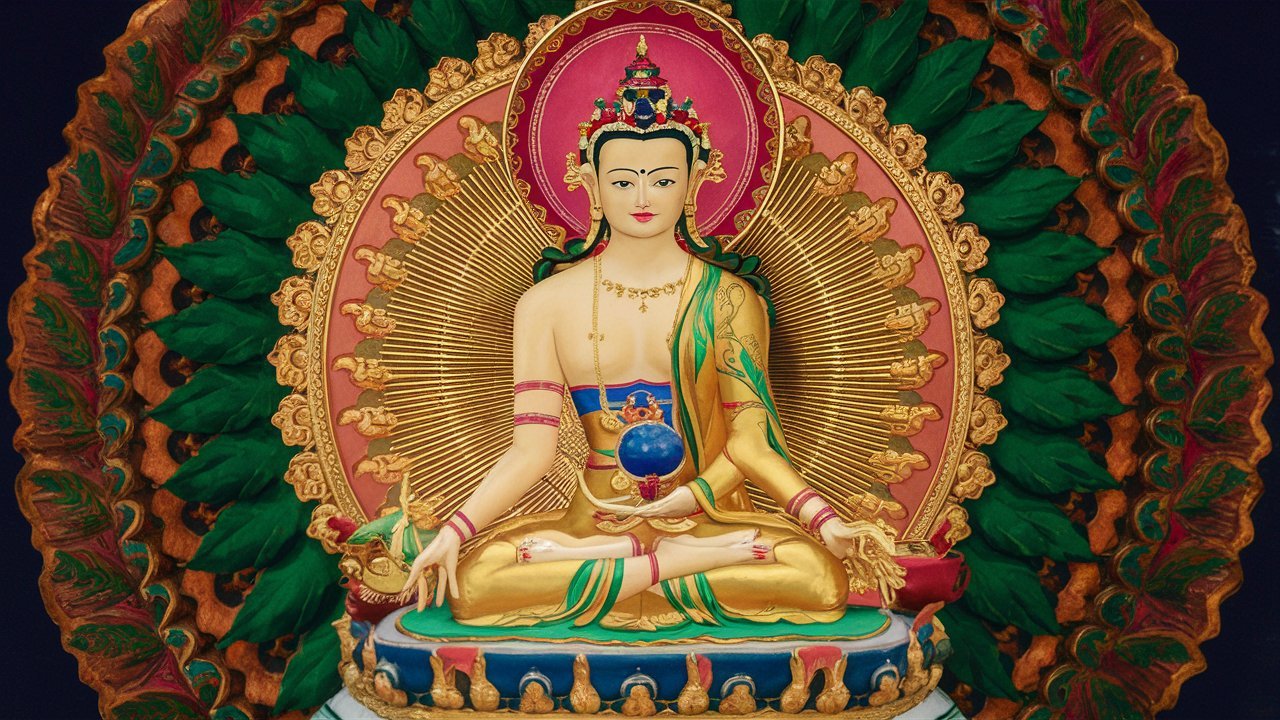
Antarvacna is a concept deeply connected to inner consciousness, self-reflection, and spiritual awareness. The term generally refers to the inner voice or inner wisdom that guides human thoughts, emotions, and decision-making processes. In philosophical and spiritual traditions, antarvacna is considered an essential aspect of self-understanding and mental clarity. In today’s fast-paced world filled with external influences, reconnecting with inner consciousness has become increasingly important for emotional stability and personal development.
People often experience antarvacna during moments of silence, meditation, or deep contemplation. It represents the subconscious guidance system that helps individuals evaluate moral choices, emotional responses, and life decisions. Understanding antarvacna can help improve psychological health, strengthen emotional intelligence, and support balanced living.
Meaning and Origin of Antarvacna
The meaning of antarvacna revolves around the idea of internal speech or inner dialogue. The word itself is associated with philosophical and spiritual traditions that emphasize self-awareness. Many ancient belief systems regarded inner voice as a form of divine or intuitive guidance.
In psychological terms, antarvacna can be compared to the internal cognitive processes that shape perception and behavior. It influences how individuals interpret experiences, manage emotions, and respond to challenges. The origin of the concept can be traced to spiritual teachings that emphasize meditation, mindfulness, and self-realization.
Across cultures, similar concepts exist under different names, including inner intuition, conscience reflection, and subconscious guidance. Regardless of terminology, the core idea remains the same — human beings possess an internal guidance system that helps navigate complex life situations.
Antarvacna and Spiritual Consciousness
In spiritual traditions, antarvacna is closely linked to higher consciousness and inner enlightenment. Many spiritual practices encourage individuals to quiet external distractions in order to listen to their inner voice. Meditation, prayer, and mindfulness exercises are commonly used to strengthen this connection.
Spiritual teachers often describe antarvacna as a bridge between physical reality and spiritual awareness. By paying attention to inner thoughts, individuals can develop stronger intuition and emotional clarity. This process often leads to improved self-control, compassion, and ethical decision-making.
In spiritual psychology, inner voice awareness is considered essential for achieving personal harmony. When individuals align their actions with inner values, they often experience greater life satisfaction and emotional balance.
Antarvacna and Mental Health
From a psychological perspective, antarvacna plays an important role in mental wellbeing. Healthy inner dialogue contributes to confidence, emotional stability, and stress management. Positive inner voice patterns can encourage resilience during difficult life situations.
However, negative internal dialogue can also impact mental health. Excessive self-criticism, anxiety-based thoughts, and fear-driven thinking may weaken self-esteem and increase psychological stress. Mental health professionals often encourage cognitive restructuring techniques to promote healthier thought patterns.
Practices such as mindfulness meditation, journaling, and therapeutic counseling can help individuals develop a healthier relationship with their inner voice. By understanding internal thought patterns, individuals can improve emotional regulation and personal growth.
Antarvacna and Decision Making
Decision-making processes are strongly influenced by antarvacna. Many people rely on their inner voice when making important life choices related to relationships, careers, or personal development. This intuitive decision-making process combines emotional intelligence with rational analysis.
Studies in behavioral psychology suggest that intuitive thinking often works alongside logical reasoning. While logic provides structured analysis, inner intuition helps evaluate emotional consequences and long-term satisfaction. Balanced decision-making requires harmony between rational thought and inner guidance.
Developing strong antarvacna awareness can improve confidence when facing uncertainty. Individuals who trust their inner judgment often demonstrate stronger leadership qualities and problem-solving abilities.
Antarvacna and Emotional Intelligence
Emotional intelligence is closely connected to antarvacna because both involve self-awareness and emotional regulation. Understanding internal emotional responses helps individuals communicate more effectively and maintain healthy relationships.
People with strong emotional intelligence can recognize their inner emotional signals before reacting to external situations. This awareness reduces impulsive reactions and promotes thoughtful responses. Antarvacna serves as an internal monitoring system that helps maintain emotional balance.
Improving emotional intelligence through self-reflection, empathy training, and communication practice can enhance interpersonal relationships and professional success.
Developing Strong Antarvacna Awareness
Strengthening antarvacna requires consistent self-reflection and mindfulness practice. Some effective methods include:
-
Meditation and breathing exercises
-
Journaling personal thoughts and experiences
-
Practicing mindfulness in daily activities
-
Spending time in quiet environments
-
Reflecting on personal values and goals
These practices help individuals become more aware of their internal thought processes and emotional responses.
Consistency is important when developing inner awareness. Over time, individuals may experience improved mental clarity, better emotional control, and stronger intuitive decision-making.
Antarvacna in Modern Society
In modern society, constant digital stimulation often distracts people from their inner voice. Social media, work pressure, and information overload can reduce opportunities for self-reflection. As a result, many psychologists emphasize the importance of digital detox and mindfulness practices.
Modern lifestyles require balancing external responsibilities with internal self-awareness. People who maintain strong antarvacna awareness tend to experience greater life satisfaction and emotional resilience.
The concept of antarvacna remains relevant because it promotes mental health awareness and personal development in an increasingly complex world.
Conclusion
Antarvacna represents the powerful connection between human consciousness, emotional intelligence, and spiritual awareness. Understanding inner voice mechanisms helps individuals make better decisions, improve mental health, and achieve personal growth. In both spiritual and psychological contexts, antarvacna serves as a guiding force that supports self-awareness and balanced living. As modern life becomes more fast-paced and digitally driven, maintaining connection with inner consciousness becomes more valuable than ever. By practicing mindfulness, reflection, and emotional awareness, individuals can strengthen their antarvacna and improve overall quality of life.
Frequently Asked Questions (FAQ)
What does antarvacna mean?
Antarvacna refers to inner voice, inner wisdom, or internal consciousness that influences thoughts and decisions.
Is antarvacna related to spirituality?
Yes, many spiritual traditions consider antarvacna as a form of inner spiritual guidance.
How can I improve my antarvacna awareness?
Practicing meditation, journaling, mindfulness, and self-reflection can help strengthen inner awareness.
Can antarvacna affect mental health?
Yes, positive inner dialogue improves mental wellbeing, while negative internal thoughts can increase stress and anxiety.
Why is antarvacna important today?
In modern society, antarvacna helps maintain emotional balance, personal identity, and decision-making clarity.