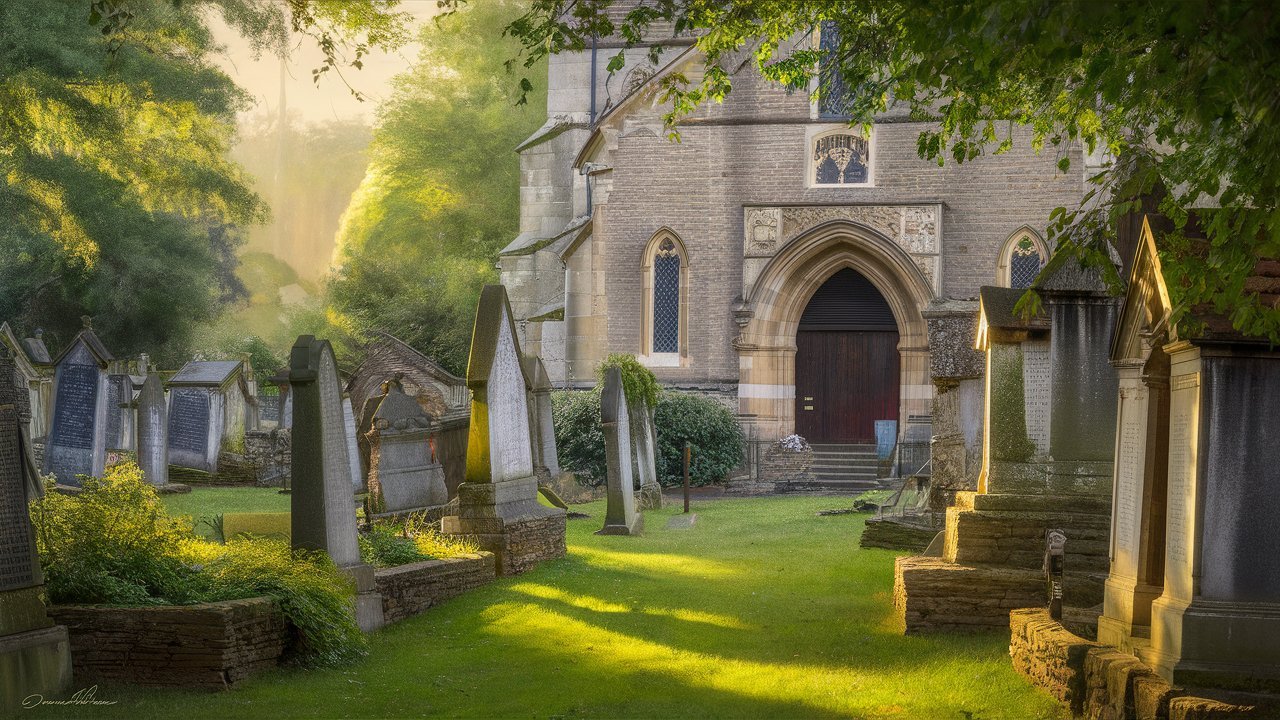
St John the Baptist Churchyard is a place of deep historical, spiritual, and cultural importance. Across many towns and villages, churchyards dedicated to St John the Baptist have long served as sacred spaces where faith, memory, and community come together. We recognize these churchyards not only as burial grounds, but also as living historical landscapes that reflect centuries of local tradition, architecture, and social change. This article offers a detailed and informative exploration of St John the Baptist Churchyard, focusing on its origins, religious meaning, architectural features, community role, and lasting heritage value.
Historical Background of St John the Baptist Churchyard
The history of St John the Baptist Churchyard is closely linked to the early development of Christian parishes. Many churchyards bearing this dedication date back to medieval times, when the church stood at the center of village life. We find that these churchyards evolved gradually, expanding over generations as communities grew. Gravestones, tombs, and boundary walls often reflect different historical periods, providing visible evidence of changing artistic styles, language use, and social structures. As historical records, these churchyards offer invaluable insight into local ancestry and regional history.
Religious Significance of St John the Baptist Dedication
The dedication to St John the Baptist holds strong religious meaning. St John the Baptist is regarded as a symbol of preparation, renewal, and spiritual awakening. Churchyards under this dedication are often associated with baptismal traditions and early Christian worship. We see that the spiritual symbolism extends into the churchyard itself, which is considered consecrated ground. For generations, families have chosen St John the Baptist Churchyard as a final resting place, reflecting deep-rooted faith and a desire for sacred continuity.
Architectural Features Surrounding St John the Baptist Churchyard
The architectural elements surrounding St John the Baptist Churchyard add to its historic charm and significance. Many churchyards feature stone boundary walls, iron gates, ancient yew trees, and pathways shaped by centuries of use. Gravestones range from simple carved markers to elaborate memorials, showcasing craftsmanship from different eras. We observe that these physical features help preserve the atmosphere of reverence and timelessness, making the churchyard an important example of heritage architecture within its community.
Gravestones and Memorials in St John the Baptist Churchyard
The gravestones and memorials found in St John the Baptist Churchyard tell deeply personal stories. Names, dates, inscriptions, and symbols reveal information about past lives, occupations, family relationships, and local customs. We often find traditional Christian imagery alongside unique personal tributes, reflecting evolving beliefs and artistic expression. These memorials serve as historical documents, allowing visitors and researchers to connect with individuals who shaped the community over centuries.
Cultural and Community Role of the Churchyard
Beyond its religious purpose, St John the Baptist Churchyard plays an important role in community life. Historically, churchyards were gathering places where announcements were made, festivals were held, and social bonds were strengthened. Even today, many churchyards function as peaceful green spaces where people reflect, walk, and reconnect with local history. We recognize the churchyard as a shared cultural asset that fosters respect, remembrance, and a sense of belonging.
St John the Baptist Churchyard and Genealogical Research
For those researching family history, St John the Baptist Churchyard is an invaluable resource. Gravestones, burial registers, and parish records often provide detailed genealogical information. We see many researchers visiting churchyards to trace ancestry, confirm historical records, and preserve family narratives. The churchyard acts as a physical archive, linking modern generations with their historical roots in a tangible and meaningful way.
Preservation and Conservation of Historic Churchyards
Preserving St John the Baptist Churchyard is essential to protecting local heritage. Weathering, environmental factors, and time naturally affect gravestones and structures. We emphasize the importance of conservation efforts that balance historical preservation with respectful maintenance. Community involvement, heritage organizations, and church authorities often work together to ensure these churchyards remain accessible and dignified for future generations.
Natural Environment and Wildlife in the Churchyard
Many St John the Baptist Churchyards also serve as important natural habitats. Mature trees, native plants, and undisturbed ground create environments that support biodiversity. We often find that churchyards act as green sanctuaries within developed areas, contributing to environmental sustainability. This blend of nature and history enhances the churchyard’s role as a place of quiet reflection and ecological value.
Why St John the Baptist Churchyard Continues to Matter
The enduring importance of St John the Baptist Churchyard lies in its ability to connect faith, history, and community. It stands as a reminder of shared heritage, spiritual tradition, and respect for those who came before us. We recognize these churchyards as spaces where history is not only remembered but experienced, offering lessons about continuity, remembrance, and cultural identity.
Conclusion: The Lasting Legacy of St John the Baptist Churchyard
St John the Baptist Churchyard remains a powerful symbol of historical continuity and spiritual significance. Through its religious dedication, architectural features, memorials, and community role, it preserves centuries of human experience in one sacred place. By understanding and valuing these churchyards, we contribute to the protection of cultural heritage and ensure that their stories continue to be shared for generations to come.
Frequently Asked Questions About St John the Baptist Churchyard
What is the significance of St John the Baptist Churchyard?
It is significant as a sacred burial ground, a historical record of local communities, and a symbol of long-standing Christian tradition.
How old are most St John the Baptist Churchyards?
Many date back to medieval or early post-medieval periods, though they often include memorials from multiple centuries.
Can the public visit St John the Baptist Churchyard?
Most churchyards are open to the public and welcome visitors seeking reflection, historical interest, or genealogical research.
Why are churchyards important for family history research?
They contain gravestones and records that provide valuable information about ancestors, family relationships, and local history.
How are historic churchyards preserved?
Preservation involves careful maintenance, conservation of monuments, and community-led efforts to protect historical and cultural value.