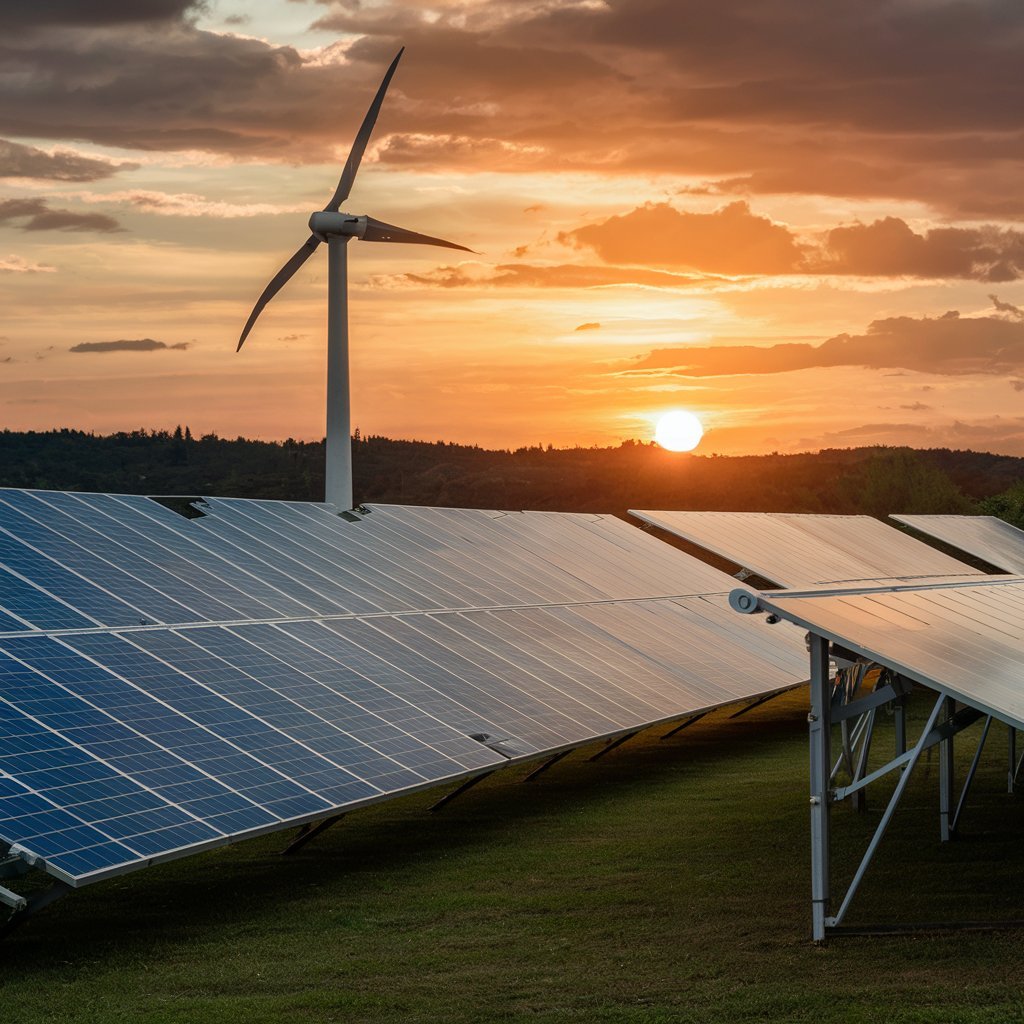
HMS Photovoltaik represents a modern approach to solar energy technology, reflecting the growing global emphasis on renewable power and long-term sustainability. As energy demands continue to rise and environmental concerns become more pressing, photovoltaic solutions have moved from alternative options to essential infrastructure. We recognize HMS Photovoltaik as a concept closely associated with efficiency, innovation, and the practical implementation of solar power systems designed to meet contemporary energy needs.
In this article, we present a detailed and structured exploration of HMS Photovoltaik, examining its role within the renewable energy landscape, its technological foundation, and its broader economic and environmental significance. Through long, fully developed paragraphs, we aim to provide clarity, depth, and valuable insight for readers seeking a comprehensive understanding of this topic.
Understanding the Core Concept of HMS Photovoltaik
At its core, HMS Photovoltaik refers to the structured integration of photovoltaic technology within energy systems that prioritize performance, reliability, and scalability. We emphasize that photovoltaic systems convert sunlight directly into electricity through advanced semiconductor materials, forming the backbone of modern solar energy solutions. HMS Photovoltaik builds upon this principle by focusing on optimized system design, efficient energy conversion, and seamless integration with existing power infrastructures.
We observe that the concept extends beyond individual solar panels, encompassing system monitoring, performance optimization, and long-term operational stability. This holistic approach positions HMS Photovoltaik as a comprehensive solution rather than a standalone component.
The Role of Technology in HMS Photovoltaik Systems
Technology is central to the effectiveness of HMS Photovoltaik. We highlight that modern photovoltaic systems rely on precise engineering, intelligent electronics, and data-driven monitoring to maximize energy yield. Advanced inverters, control units, and communication interfaces ensure that solar-generated electricity is converted, managed, and distributed efficiently.
We emphasize that technological innovation within HMS Photovoltaik supports real-time performance analysis, fault detection, and system optimization. These capabilities reduce downtime, improve reliability, and enhance overall energy output, making photovoltaic installations more dependable and economically viable.
Efficiency and Performance Optimization
Efficiency is a defining factor in HMS Photovoltaik solutions. We recognize that maximizing energy output from available sunlight is essential for achieving both environmental and financial goals. System design focuses on optimal panel orientation, energy conversion accuracy, and loss minimization throughout the power generation process.
We observe that performance optimization is not a one-time effort but an ongoing process. Continuous monitoring and adaptive control strategies allow HMS Photovoltaik systems to maintain high efficiency under varying environmental conditions, ensuring consistent and predictable energy production.
Environmental Impact and Sustainability Benefits
The environmental benefits of HMS Photovoltaik are significant and far-reaching. We emphasize that photovoltaic energy generation produces electricity without direct emissions, reducing dependence on fossil fuels and lowering carbon footprints. This contributes directly to climate change mitigation and improved air quality.
We also note that sustainable energy systems support long-term resource conservation. By harnessing renewable sunlight, HMS Photovoltaik aligns with global sustainability goals and promotes responsible energy consumption for future generations.
Economic Value and Long-Term Investment Potential
From an economic perspective, HMS Photovoltaik represents a strategic investment in energy independence and cost stability. We highlight that while initial installation costs may require careful planning, long-term operational savings and reduced energy expenses contribute to favorable return on investment.
We observe that photovoltaic systems also enhance energy security by reducing exposure to fluctuating energy markets. Over time, this stability supports both individual users and broader economic resilience.
Integration with Modern Energy Infrastructure
Integration is a critical aspect of HMS Photovoltaik. We emphasize that modern photovoltaic systems are designed to work alongside existing power grids, energy storage solutions, and smart energy management platforms. This compatibility ensures flexible deployment across residential, commercial, and industrial environments.
We stress that effective integration enhances system reliability and allows for scalable expansion as energy needs evolve. HMS Photovoltaik supports a future-ready energy infrastructure capable of adapting to technological and demand-driven changes.
Challenges and Considerations in Photovoltaik Implementation
While the benefits of HMS Photovoltaik are substantial, we acknowledge that successful implementation requires careful consideration. Factors such as site assessment, system sizing, regulatory compliance, and maintenance planning play critical roles in overall performance.
We emphasize that addressing these considerations proactively ensures long-term system reliability and maximizes the value of photovoltaic investments.
Future Outlook of HMS Photovoltaik
Looking ahead, we see HMS Photovoltaik continuing to evolve alongside advancements in solar technology and energy management. Innovations in materials, digital monitoring, and energy storage are expected to further enhance system efficiency and adaptability.
We observe that the future of HMS Photovoltaik aligns closely with global energy transitions, positioning it as a key contributor to sustainable development and clean energy adoption.
Conclusion
HMS Photovoltaik stands as a vital component of modern renewable energy strategies, offering efficient, sustainable, and economically viable solar power solutions. Through advanced technology, performance optimization, and environmental responsibility, it supports a cleaner and more resilient energy future. We conclude that HMS Photovoltaik represents not only a technological advancement but also a long-term commitment to sustainable energy practices and responsible resource management.